Haroldo de Campos

Innovative Poetics for a Plural World

Biography

One of the greatest contemporary writers

Haroldo de Campos (1929–2003) was the tireless “Locomotive of São Paulo” who propelled Brazilian literature into the heart of the international avant-garde. As a co-founder of the Concrete Poetry movement, he revolutionized the written word by treating language as a physical, multi-dimensional material. A master of “transcreation,” he viewed translation as a radical act of “cannibalizing” world classics—from Homer and Dante to Joyce and the Bible—to create vibrant, original works in Portuguese. His epic work Galáxias remains a landmark of polyglot experimentalism, bridging the gap between poetry and prose with unmatched vision and verve. Discover the life of the scholar-poet whom Umberto Eco called “the best Dante translator in the world”.

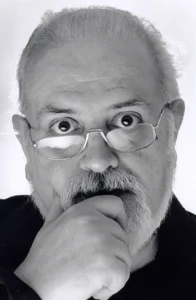
project

‘Planetary Music for Mortal Ears’

Haroldo Pre-Concrete

Poetry and the Generation of 45

Haroldo and the Concrete Moment

Augusto de Campos’s Contribution

Haroldo and Brazilian Literary Tradition

The Recovery and Reinvention of Tradition

Haroldo and the East

Looking East to West

Haroldo and Modernism

Campos and Anglo-American Modernism

Haroldo and Futurism

Campos and Russian Futurist Poetry​

Haroldo and the Bible​

Campos and the Biblical Tradition

Haroldo and the Epic​

Reinterpreting the Western Epic Tradition

Haroldo and Translation​

Translation Theories

Haroldo and the Post-Concrete

Post-Concrete Soundings

Haroldo and his Contemporaries​

Campos’s Latin American Plural Poetics

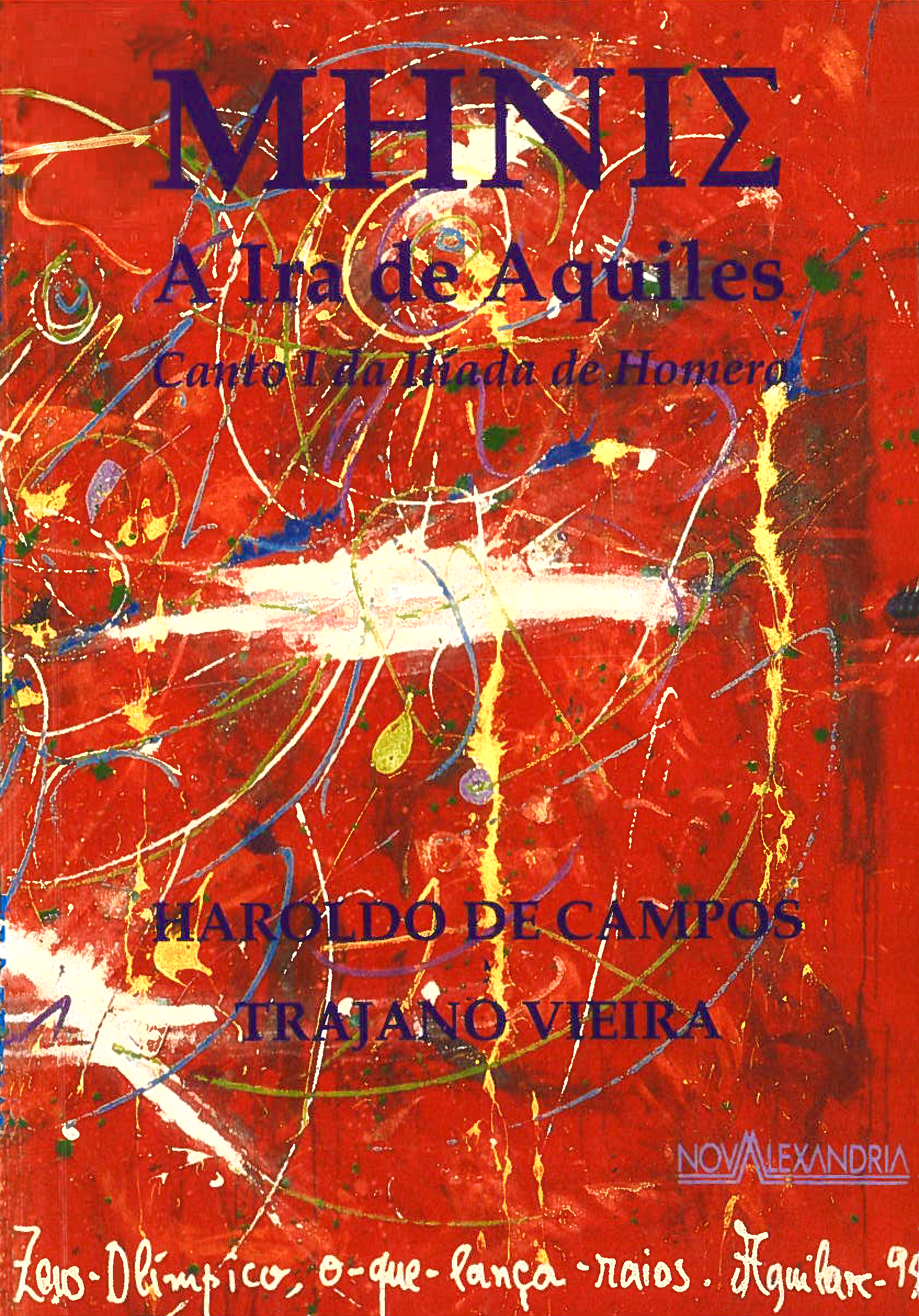
A Ira de Aquiles

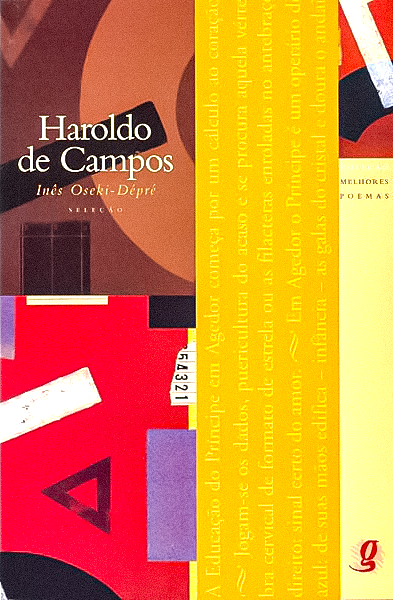
Os melhores Poemas

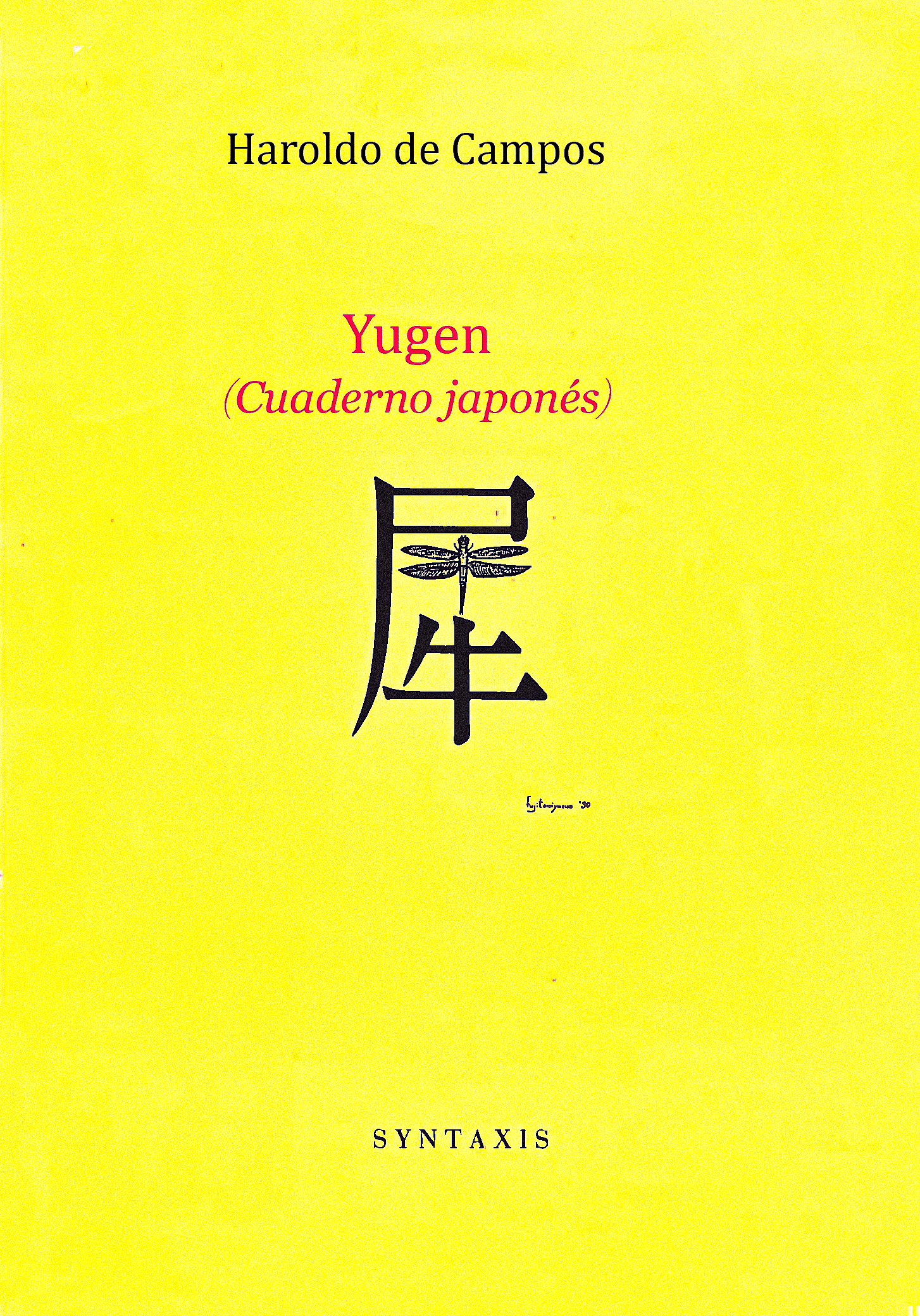
Yugen (Cuaderno Japonés)

Haroldo de Campos has published between 30 and 40 volumes, supplemented by a vast array of articles and essays published in journals and newspapers

Publications