Haroldo de Campos
‘Planetary Music for Mortal Ears’
A brief introduction and contextualization of Campos’s place in Brazilian and world poetry.
Poetry and the Generation of 45
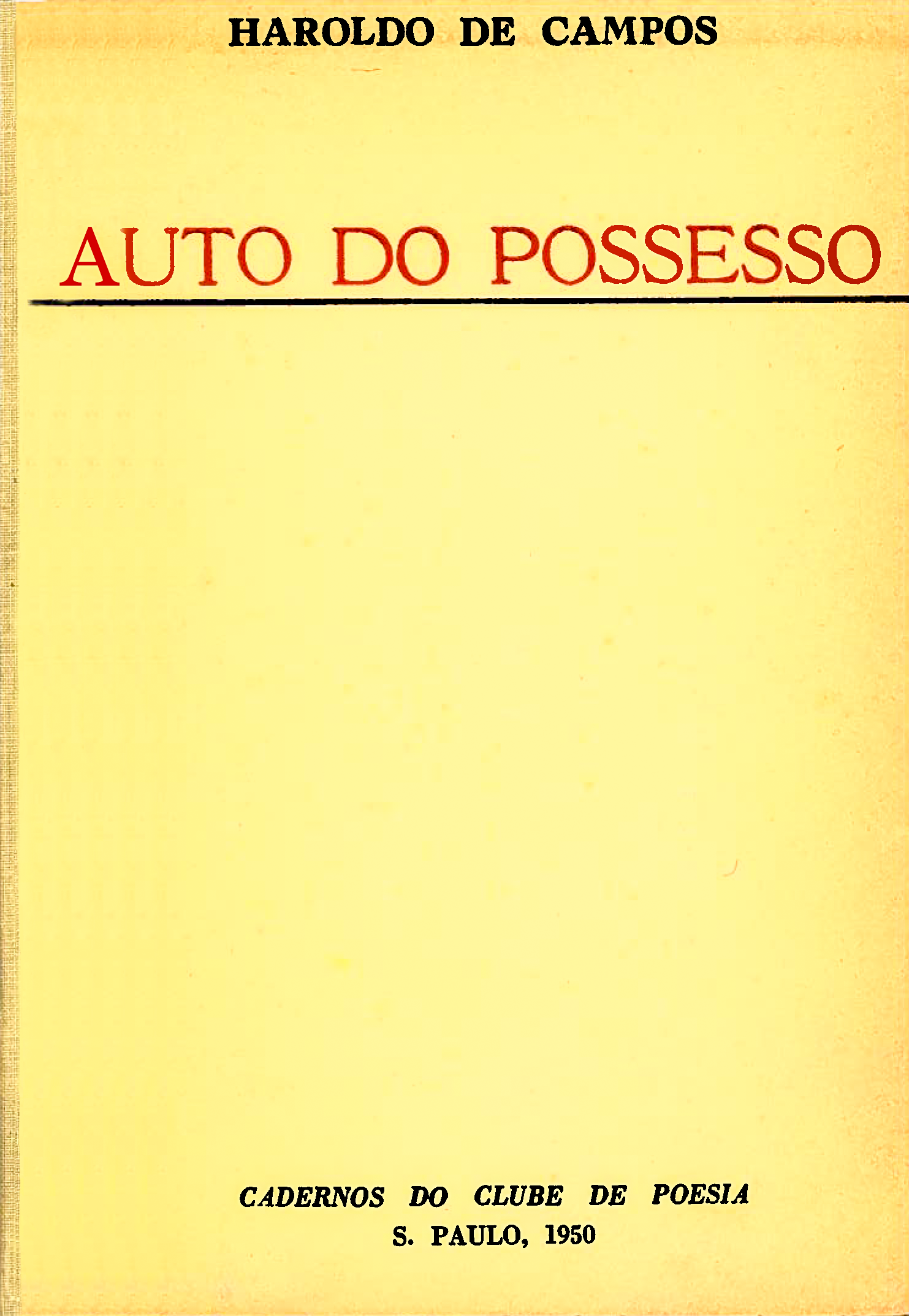
This chapter will explore Campos’s early poetry, such as the collection Auto do possesso, where he combines the tradition of the Brazilian baroque with a modern poetic sensibility. I will trace the roots of the concrete poetry movement to these early texts and to a reaction to the conservative Generation of 45.
Augusto de Campos’s Contribution
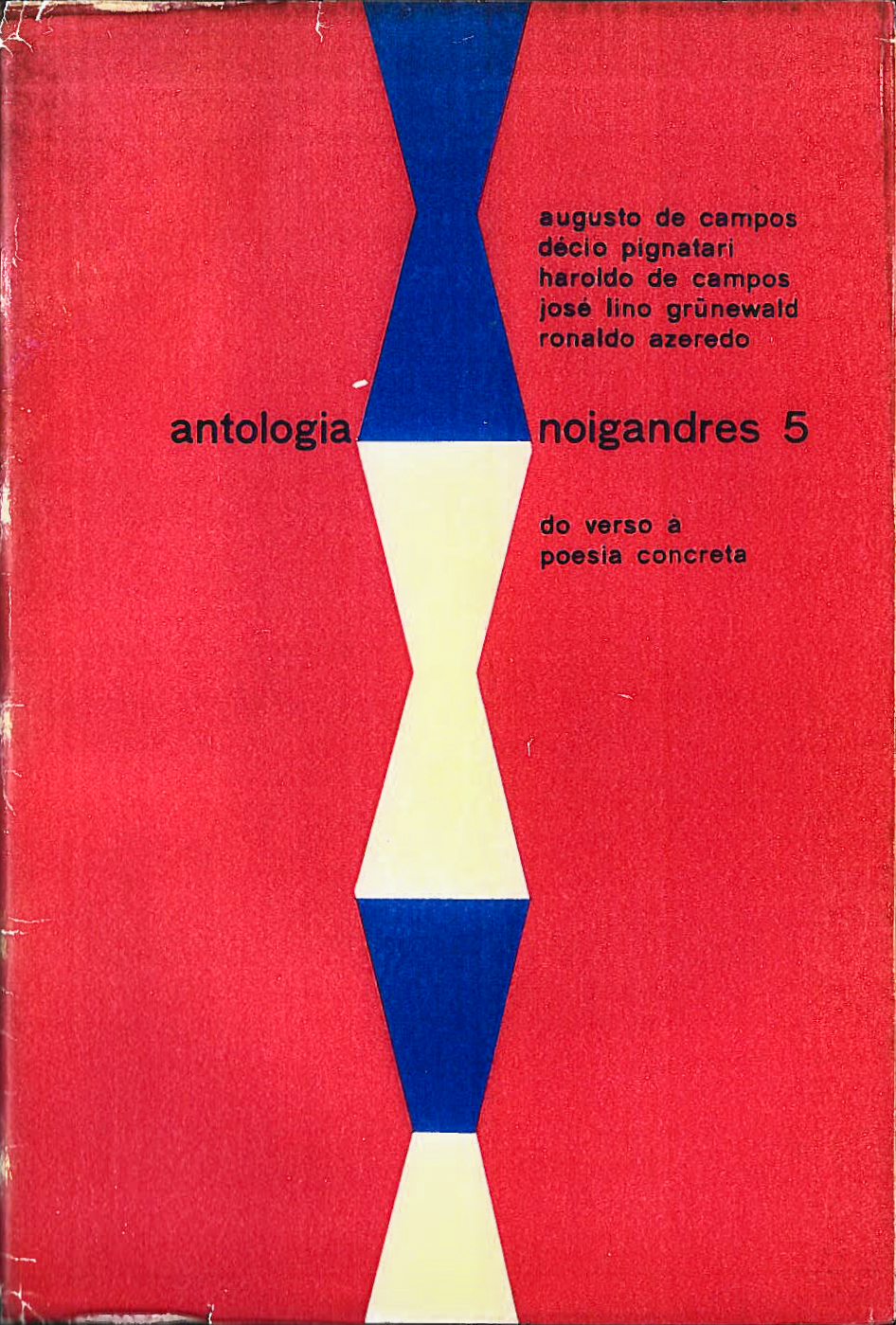
This chapter will focus on Haroldo and Augusto de Campos’s early manifestos such as “Plano piloto para poesia concreta” as well as the poems published in the review noigandres.
The Recovery and Reinvention of Tradition:
Gregório de Mattos, Sousândrade, Oswald de Andrade
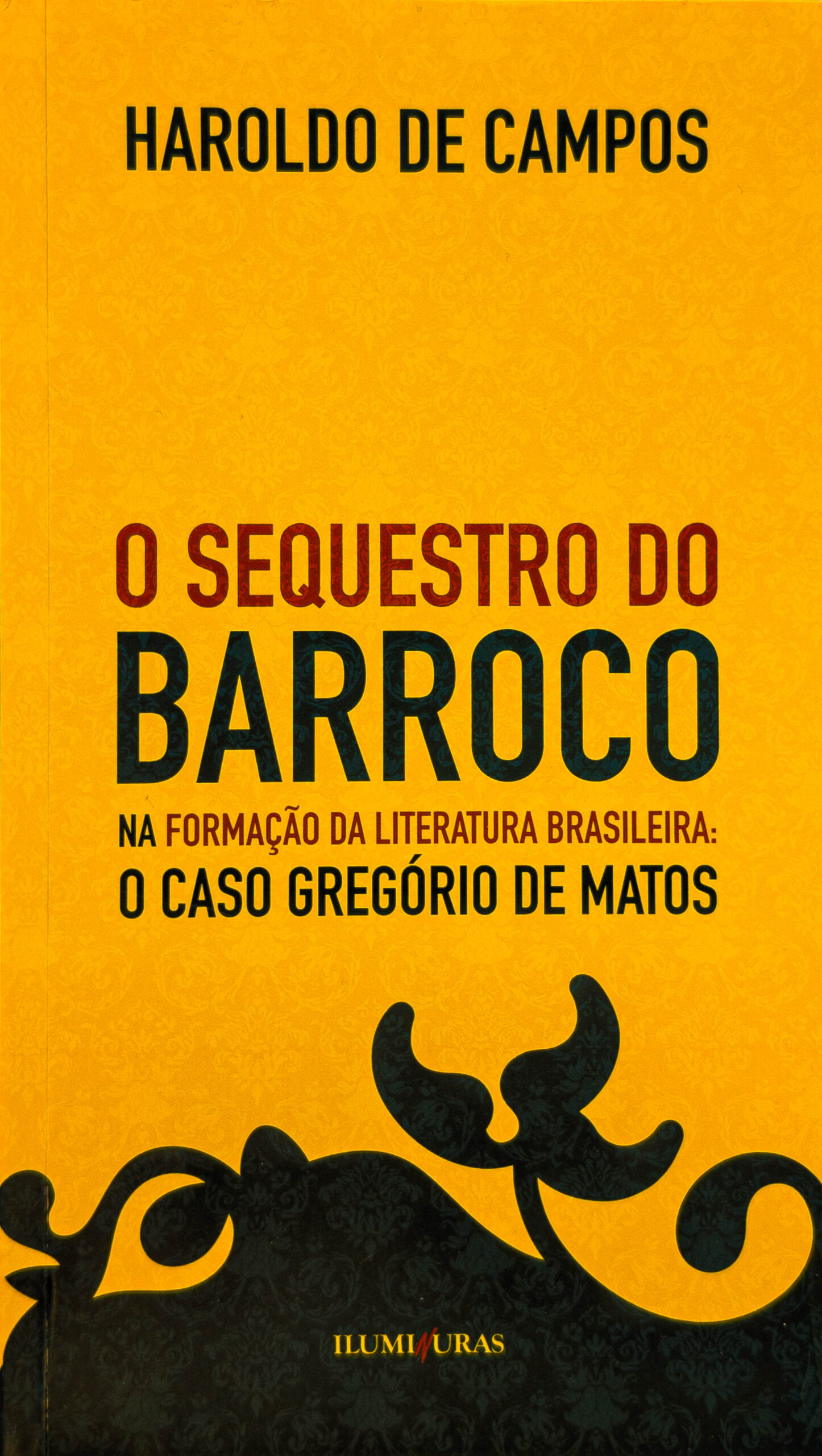
The critical writings that recovered past masters of Brazilian poetry from the Baroque, Romanticism, and Modernism will be examined here. Among Campos’s essays analyzed here will be: O sequestro do barroco na formação da literatura brasileira: O caso Gregrório de Mattos, on the Baroque poet Gregório de Mattos; Re/visão de Sousândrade, on the late Romantic poet, Joaquim de Sousândrade; and the introductions Campos wrote to Oswald de Andrade’s Obras completas.
Looking East to West:
Chinese and Japanese Poetry & Noh Plays;
Ezra Pound the Ideogram
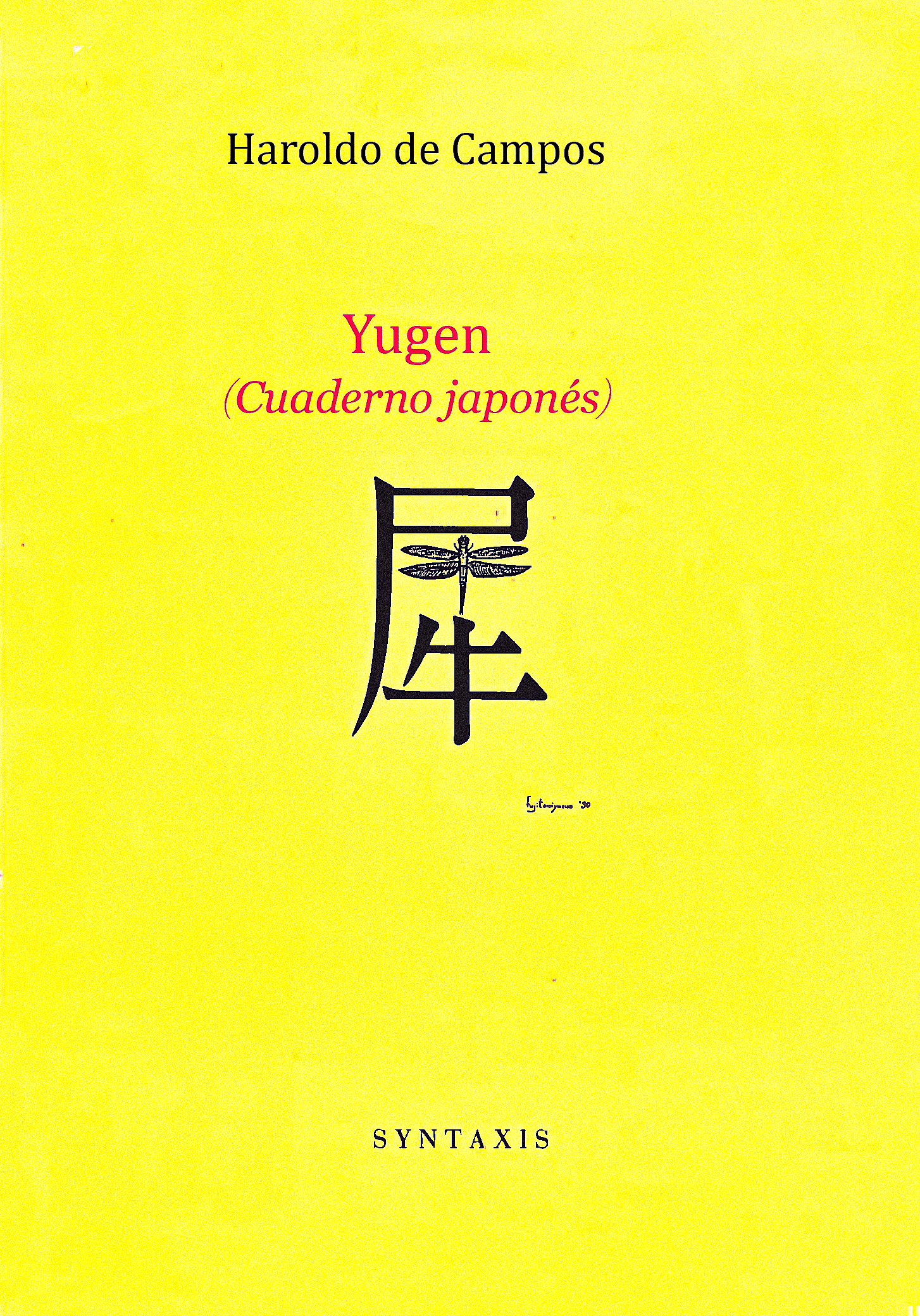
Here we will consider Campos’s relationship with the East looking at: the poetry of Yugen: quaderno japonês; the translations of classical Chinese poetry, Escrito sobre jade; the translations of Japanese plays, Hagoromo de Zeami; as well as the critical and theoretical essays in Ideograma, which explore Ezra Pound and Ernest Fenollosa’s interest and investment in the Chinese written character as a medium for poetry.
Campos and Anglo-American Modernism:
Ezra Pound and James Joyce
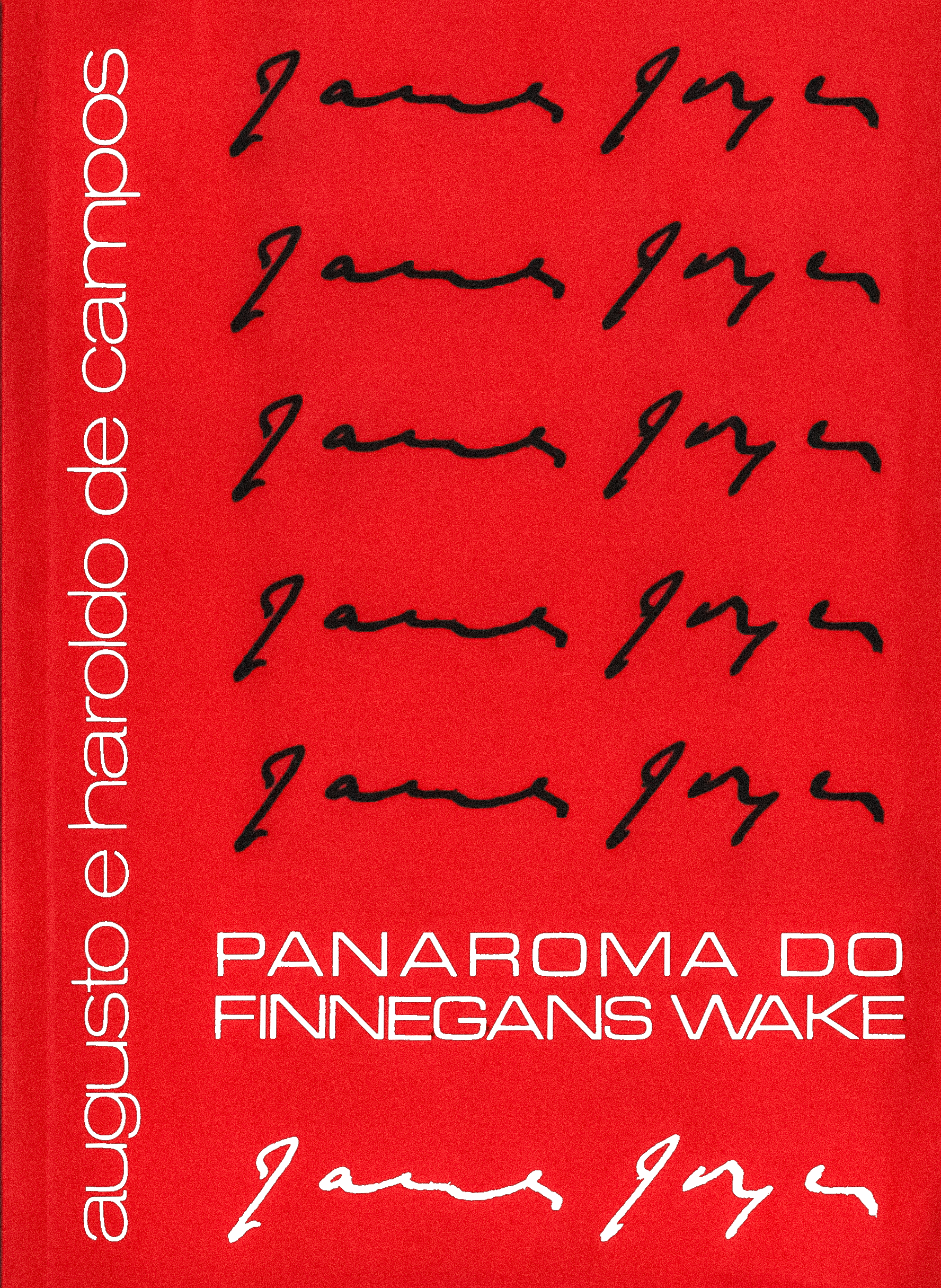
This chapter will probe the correspondence and translations with Ezra Pound assembled in Cantares de Ezra Pound as well as the translations of James Joyce in Panaroma de Finnegans Wake.
Campos and Russian Futurist Poetry
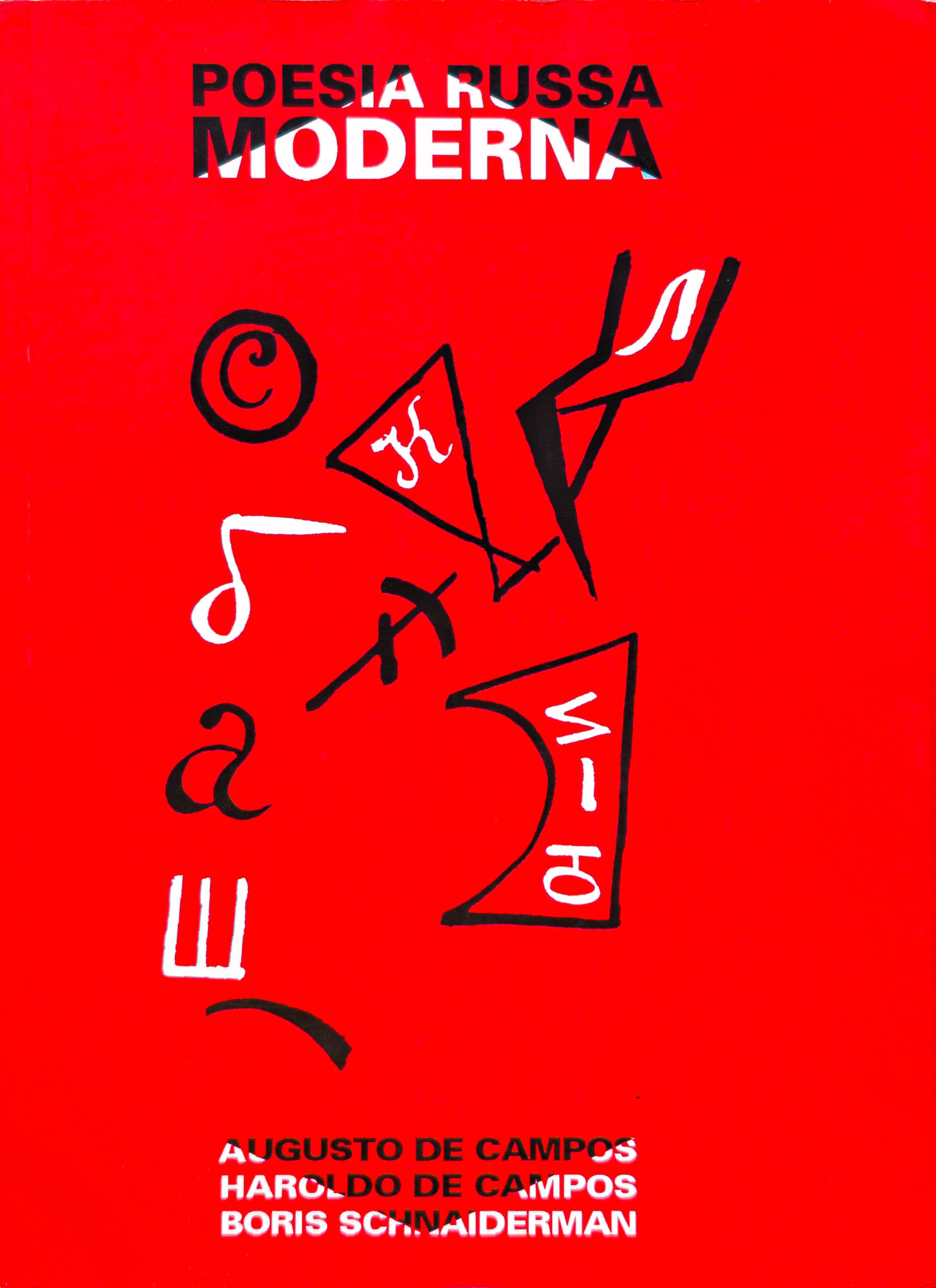
We will approach Campos’s interest in Futurist poetry through his translations of Mayakovski and other Russian futurists contained in Poemas de Maiakóvski and in Poesia russa moderna.
De Campos and the Biblical Tradition
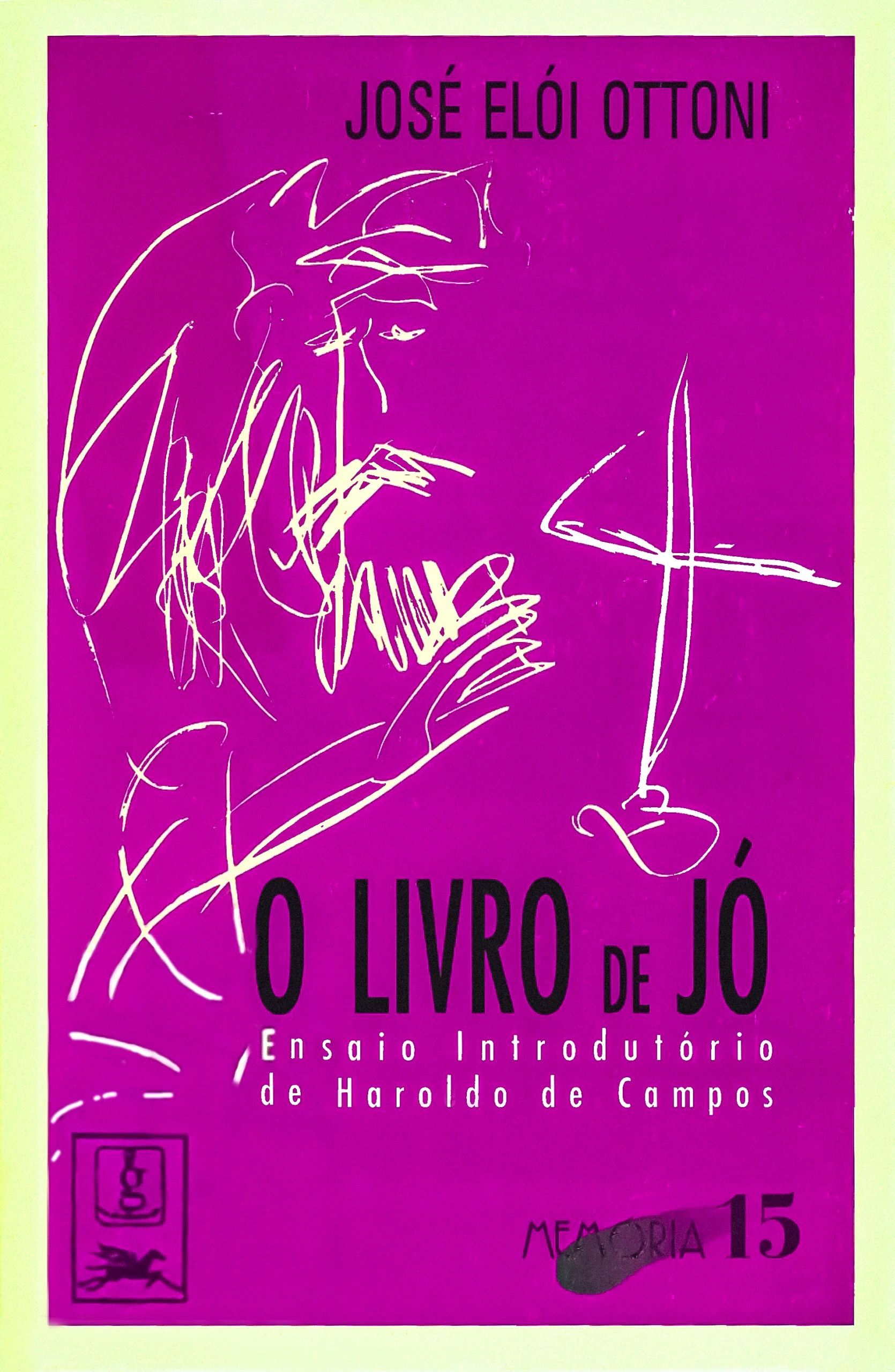
Contrasting with a long tradition of biblical translation, Campos’s sui generis versions and commentaries of Genesis and Ecclesiastes in Bere’shith and Qohélet, respectively, will be discussed alongside his critical edition of a nineteenth-century Brazilian translation of the Book of Job (Livro de Jó).
Reinterpreting the Western Epic Tradition:
Homer, Camões, Dante, and Goethe
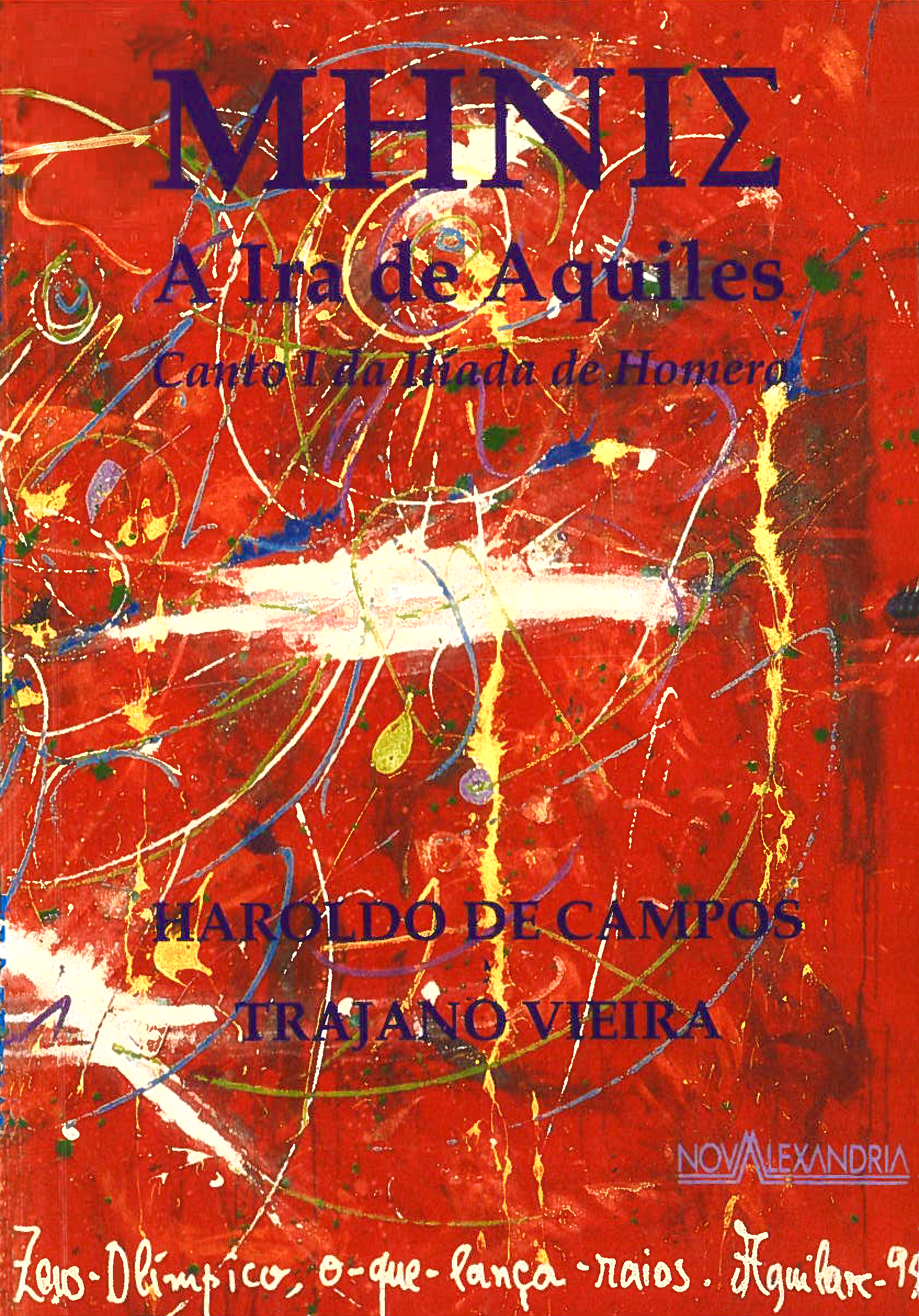
This chapter will consider Campos’s engagement with the Western tradition through his translations of the Homeric epic (Mênis: A ira de Aquiles and A Ilíada de Homero), his translations and commentary of Goethe’s Faust (Deus e o diabo no “Fausto” de Goethe), his translations of Dante’s Paradiso (Pedra e luz na poesia de Dante), as well as his own creative texts, Finismundo: a última viagem and A máquina do mundo repensada, the latter of which draws from Camões’s epic, The Lusiads.
Translation Theories:
From Isomorphism to Postcoloniality
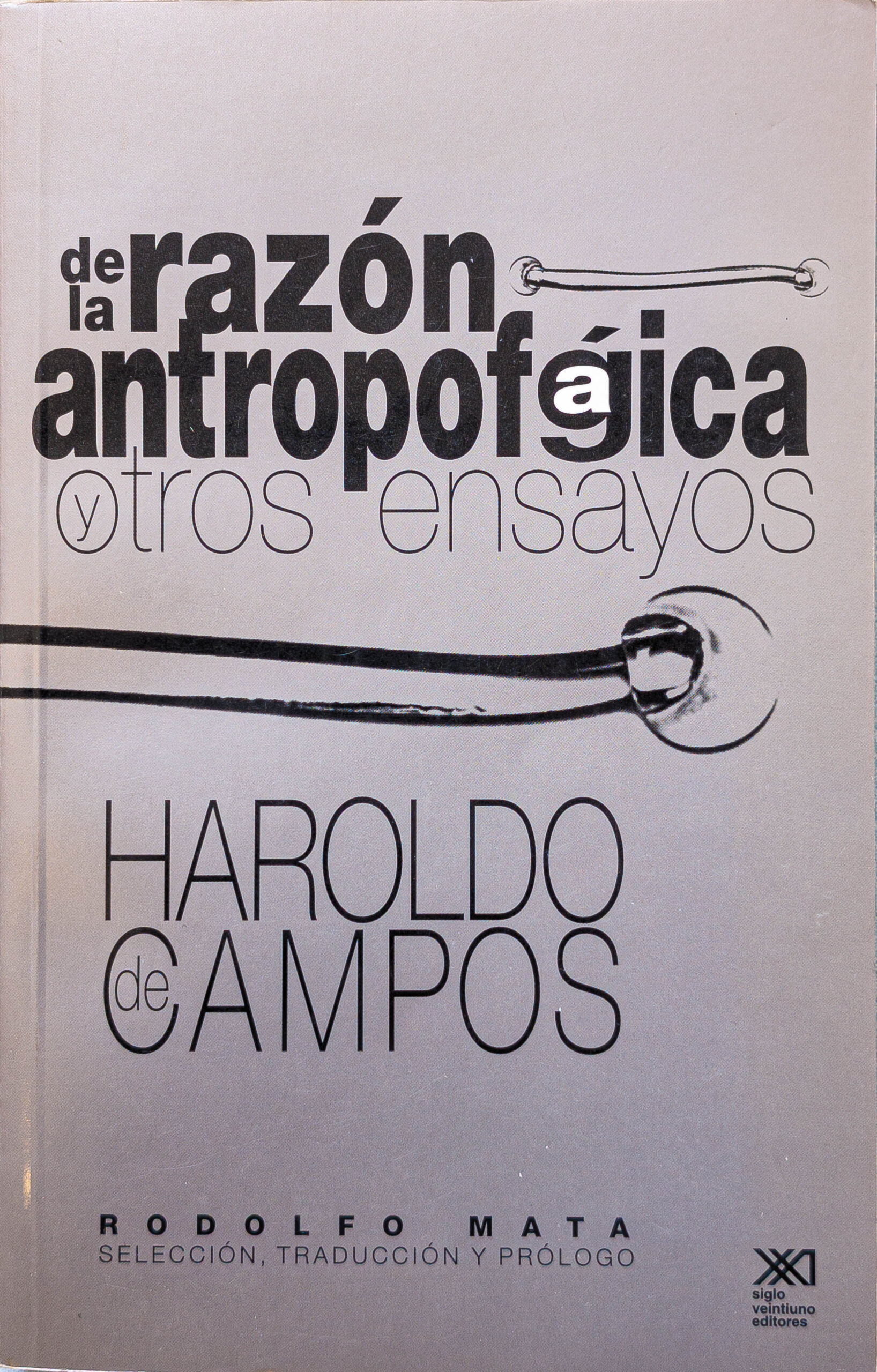
This chapter will chart the development of de Campos theories on translation, from the isomorphic correspondence inherent in the concept of concrete poetry and translation as portrayed in early essays such as “Translation as Creation and Criticism” to postcolonial “anthropophagic” or cannibalistic approach to translation based on his essay “Anthropophagous Reason.”
Post-Concrete Soundings:
Campos Polyglot galáxias
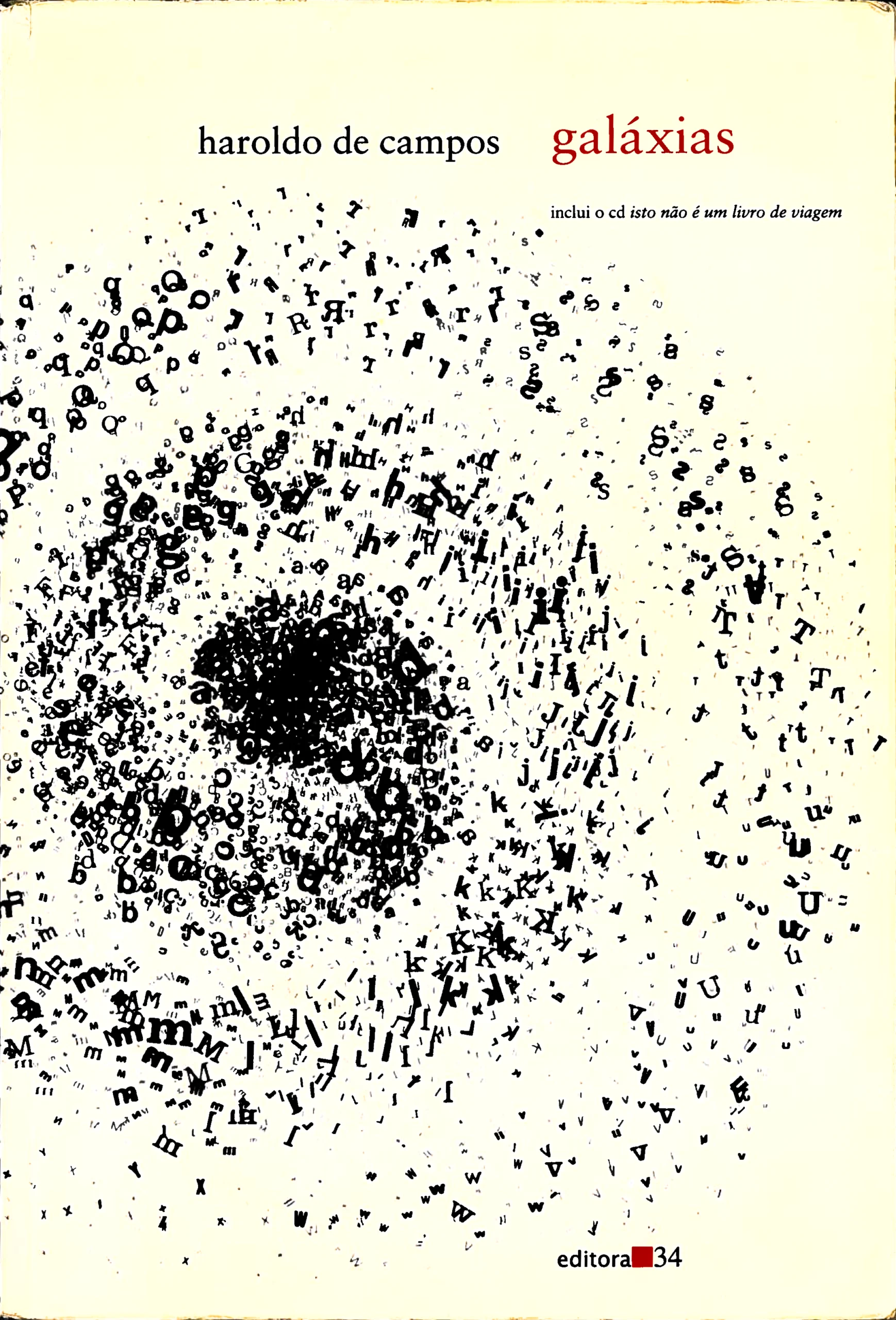
This chapter will analyze Campos’s poetic prose masterpiece, galáxias, as a break with the visual poem as such and instead a focus on the possibilities of sound. Unlike in the concrete poems of the early phase, space is not the main structuring agent here, but rather sound. Negating the illusion of instant communication that visual ideograms produced, galáxias presents itself as a performance text that unfolds in time, emphasizing sequence and musicality.
Haroldo de Campos’s Latin American Plural Poetics:
A Dialogue with Octavio Paz
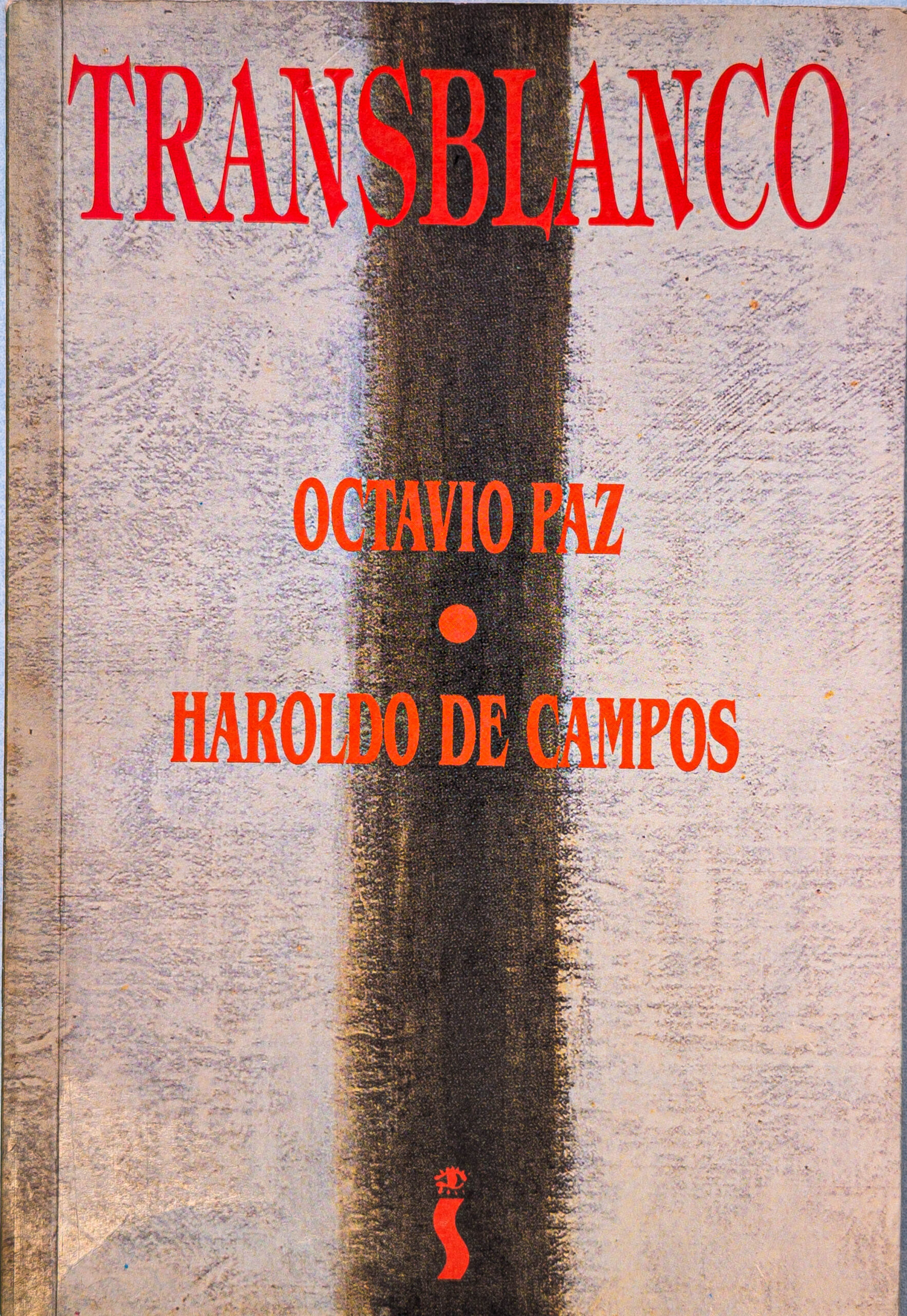
This concluding chapter will place Campos in the context of Latin American literature, along with another important Latin American poet of the twentieth century, the Mexican, Octavio Paz. I will consider the landmark translation by Campos of Paz’s simultaneist poem Blanco and a fascinating correspondence on poetics between these two figures gathered in the volume Transblanco (1985).